France Launches M51.3 Missile From Submarine Le Vigilant For The First Time
French President Macron has released video of the first launch of the M51.3 missile from the nuclear-powered submarine Le Vigilant. Here is how the new version differs from earlier ones and what is known about its successor, the M51.4.
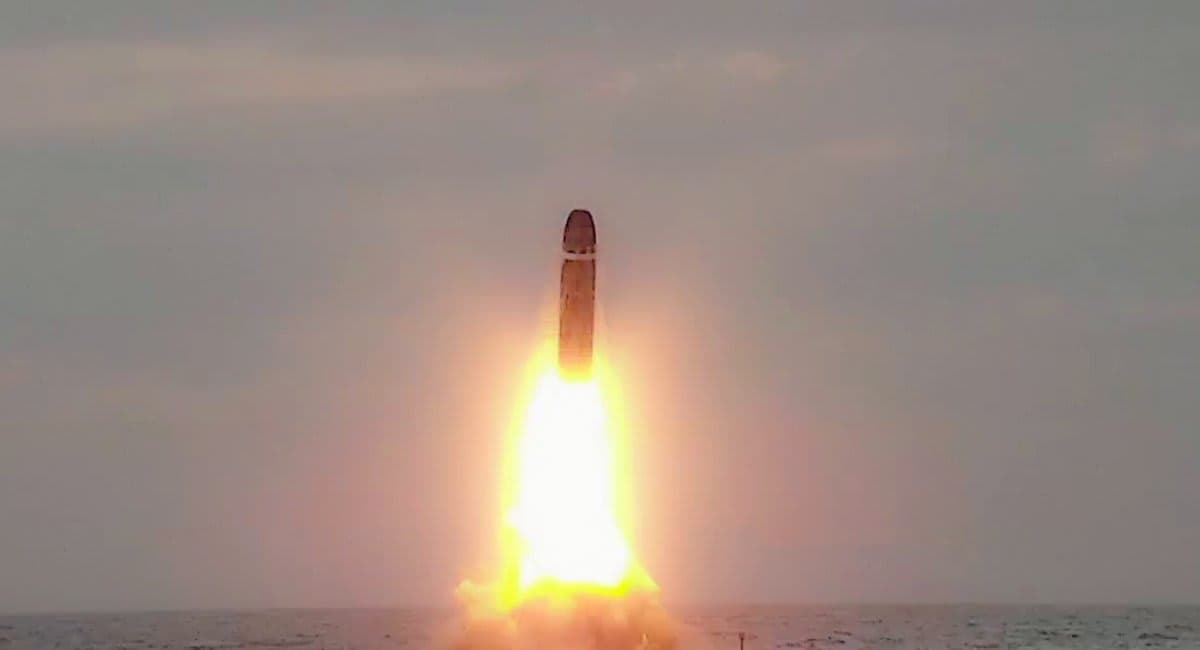
French President Emmanuel Macron has posted on social media a video of a test launch of the M51.3 intercontinental ballistic missile. According to him, this is the first launch of the new missile from the nuclear-powered submarine Le Vigilant, which is part of the French Navy's nuclear forces.
As Defense Express notes, the event is linked to a growing number of threats from Russia and acts of sabotage in Europe. The outlet considers the launch significant: the M51.3 was also launched in 2023, but that test took place at a ground-based range, whereas now the missile has been tested from the submarine on which it will go on to serve.
Le Vigilant belongs to the Le Triomphant class and has a submerged displacement of 14,335 tonnes. Since 2023 the submarine has undergone scheduled repairs and modernization, as a result of which it became the first carrier of the M51.3. Defense Express views the launch as confirmation that France can use the latest intercontinental ballistic missiles from existing platforms.
The M51.3 is a new version of the M51 missiles, which have been in service since 2010. They form the core of the armament of Triomphant-class submarines, each of which carries 16 such missiles. The new version's range is estimated to have increased from 8,000 km to 10,000 km.
The previous submarine launch of an M51-series missile took place in April 2023 from Le Terrible. Thus, the current launch became the first from a combat platform for the M51, and for French intercontinental ballistic missiles in general, since that date.
In 2025, development of a successor, the M51.4, was ordered. It is intended to be used not only from Triomphant-class submarines but also from a new generation of submarines. The M51.4 is expected in the 2030s.