SpaceX Limited The Speed Of Starlink Terminals In Motion, Disrupting Ukrainian Strike Drones
On the night of 14 October, SpaceX limited the operation of Starlink terminals while in motion. This reportedly disrupted a number of Ukrainian strike drone missions, a problem the Defense Forces have confirmed.
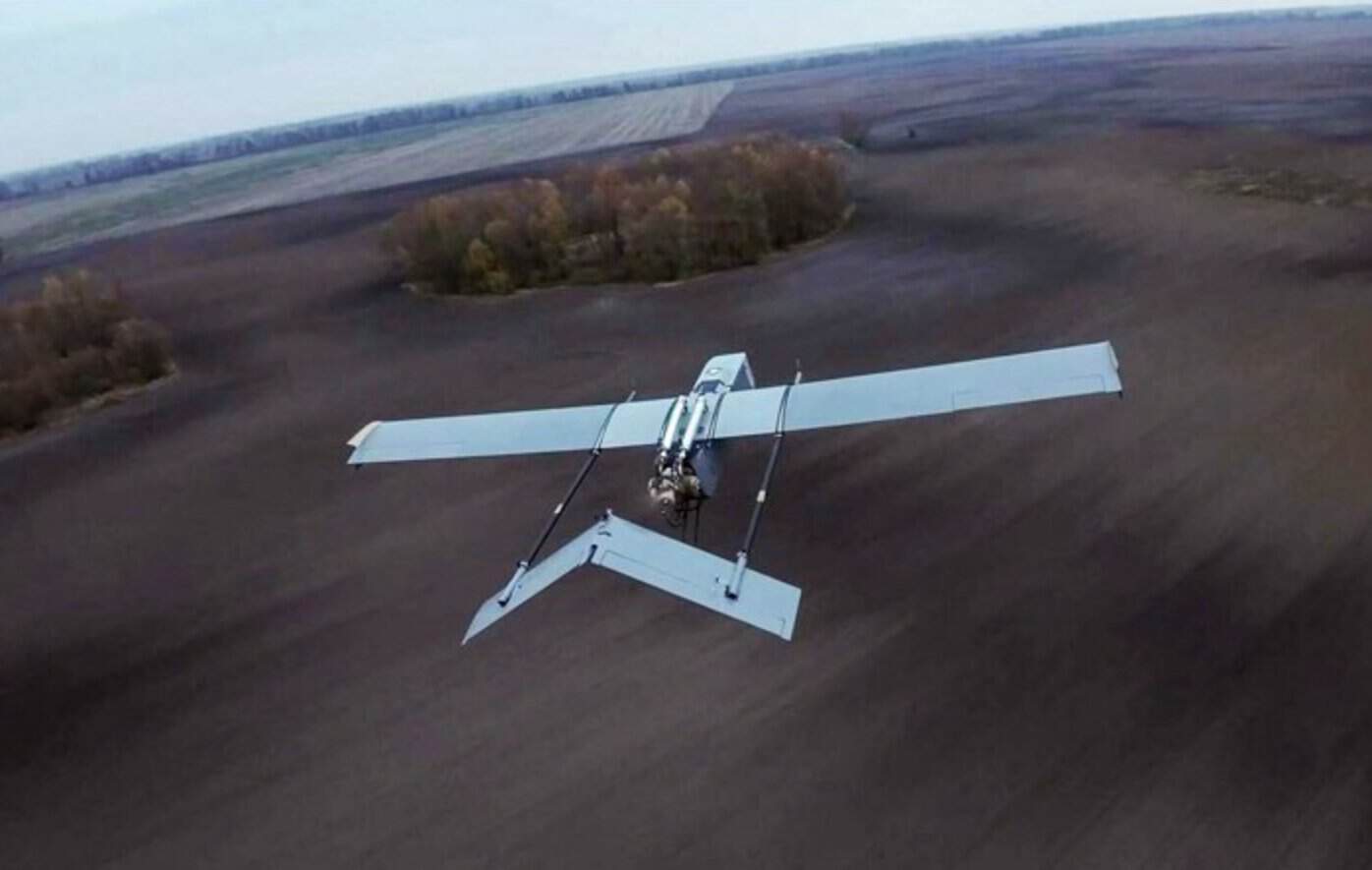
On the night of 14 October, SpaceX limited the speed at which Starlink terminals operate while in motion. This affected the use of Ukrainian strike drones, Militarnyi reports.
Volunteer Serhii Sternenko was the first to write about the restriction. Serhii "Flash" Beskrestnov, adviser to the President of Ukraine on defense technologies, reported the same. Militarnyi received confirmation of the information from Ukraine's Defense Forces.
According to the report, when moving at speeds above 160 km/h, the connection began to drop out, which disrupted a number of important missions. Sternenko suggested that SpaceX likely made this decision at the request of the administration of U.S. President Donald Trump.
Ordinary satellite communication terminals, meanwhile, work without problems.
Beskrestnov later also confirmed the restriction. According to him, it applies to the StarShield military service package, and the speed of the terminals' movement is limited to 100 miles per hour (about 161 km/h). He wrote that SpaceX introduced this restriction on the night of 14 October.
Beskrestnov noted that Ukraine's Defense Forces received no warning about such a restriction, and that this is what led to the disruption of a number of missions.
The outlet suggests that the restriction is likely part of pressure from the Trump administration on Ukraine to stop strikes on Russian oil refineries.
Ukrainian troops install Starlink terminals on drones to maintain communication with the operator over long distances. The system transmits live video from the drone, provides data on the progress of the task, and allows the flight to be controlled remotely. This allows drones to be used more effectively for reconnaissance, surveillance, and striking targets in the temporarily occupied territory. In addition, Starlink makes it harder for Russian electronic warfare systems to counter Ukrainian drones.